Published on: 2025-09-14 | Written by: Dr. Asmaa Khamis, Family Dental Care Center
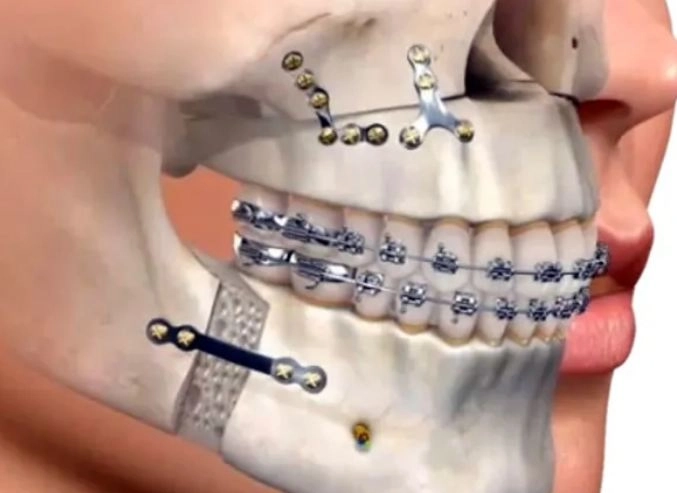
Dr. Asmaa Khamees emphasizes that oral and maxillofacial surgery is one of the most important branches of dentistry, as it focuses on treating congenital deformities, injuries resulting from accidents, as well as temporomandibular joint disorders and impacted teeth such as wisdom teeth.
Dr. Asmaa Khamees explains that the most common cases requiring oral and maxillofacial surgery include repairing facial bone fractures, treating jaw cysts and tumors, and correcting congenital defects such as cleft lip, which help patients regain both functional abilities and natural appearance.
Dr. Asmaa Khamees confirms that this specialty is not limited to aesthetics only, but plays a key role in improving chewing, speech, and breathing, which positively reflects on the patient’s quality of life and overall health.
Dr. Asmaa Khamees highlights the need for precise examinations before any surgical intervention, such as CT scans and clinical assessments, to ensure selecting the most suitable treatment plan and minimizing potential complications during or after the procedure.
Dr. Asmaa Khamees stresses the importance of following post-surgery instructions, such as maintaining oral hygiene, consuming soft foods during the initial phase, and attending regular follow-ups with the treating doctor to ensure proper and fast healing.